Biohazard Removal Service Tips
What to Expect During a Biohazard Cleanup in Older Raleigh Homes
Published 2026-09-02 · By Alex, Biohazard Cleanup Raleigh
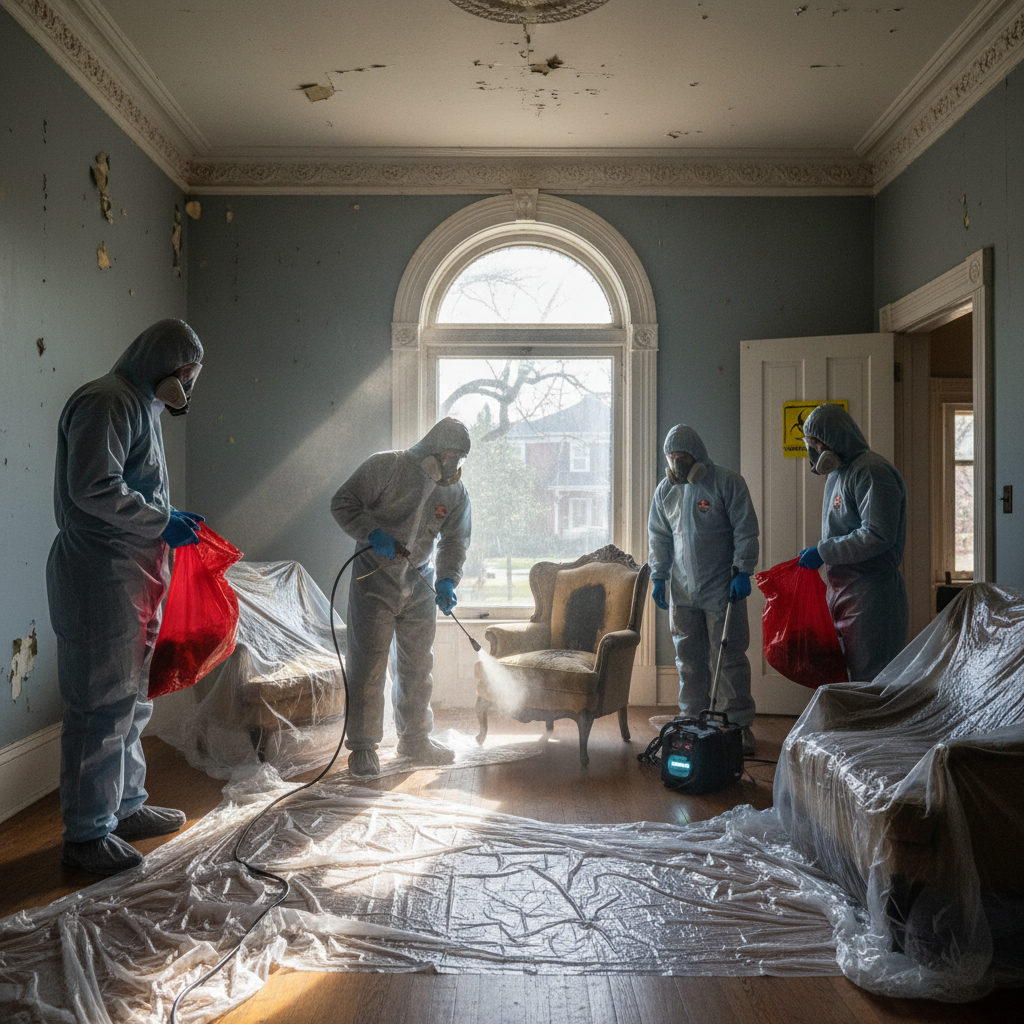
When dealing with biohazard cleanup in older homes throughout Raleigh, it's essential to understand the unique issues presented by the area's architectural and environmental characteristics. From historic neighborhoods like Historic Oakwood to the more contemporary styles in North Hills, Raleigh offers a diverse range of homes that can complicate biohazard remediation efforts. As a local operator, Alex from Biohazard Cleanup Raleigh frequently encounters these challenges, ensuring that every job is handled with expertise and care.
The primary step in any biohazard cleanup process is assessing the scene. In older homes, particularly those built before the 1960s, there are often hidden risks associated with outdated materials and aging infrastructure. Elements like lead paint, asbestos, or even mold can present significant complications, especially in structures located within Wake County’s humid climate. This helps to determine the best course of action and safety measures needed to protect not just the property, but also the surrounding community.
Assessing the Environment and Risk Factors
Raleigh experiences a humid subtropical climate, which can create an environment conducive to the growth of mold spores and other contaminants. During cleanup operations in neighborhoods such as Glenwood South or Mordecai, the moist conditions can extend the lifespan of biohazards like bloodborne pathogens or decaying organic matter. Here’s what to expect:
- Property Age: Homes in areas like Cameron Village often span several decades, resulting in complex structural issues.
- Environmental Conditions: Increased humidity can exacerbate contamination and delay projects.
- Terrain Considerations: Properties with basements may encounter water damage that complicates cleanup efforts.
Understanding these factors allows for an accurate risk assessment that aligns with local regulations and safety protocols.
The Cleanup Process in Raleigh Homes
Once the risks have been evaluated, the next phase is the actual cleanup. This is where our commitment to thoroughness makes a significant impact. The process typically involves several steps:
- Containment of Hazards: This prevents the spread of contaminants to other areas.
- Removal of Affected Materials: This may include flooring, drywall, or furnishings, particularly in older homes where these materials may harbor toxins.
- Disinfection: This step is essential for ensuring that all elements of contamination are eradicated. We use EPA-approved disinfectants tailored for the job.
- Waste Disposal: Proper disposal of biohazard materials is critical. We ensure compliance with all local and federal regulations, particularly for biomedical waste.
During this phase, Alex, the owner, emphasizes communication. Homeowners are kept in the loop regarding progress and any unexpected findings.
Follow-up and Prevention
Lastly, after the biohazard cleanup is complete, it’s essential to discuss prevention measures. Older homes may have structural vulnerabilities which necessitate regular inspections. Here are some suggestions:
- Regular Inspections: Look out for leaks or water damage that could encourage fungi and bacteria.
- Upgrading Systems: Consider updating plumbing and HVAC to minimize the risk of future biohazard situations.
- Community Resources: Engage with local services like those found at Crime Scene Cleanup to understand how to maintain a safe environment after a cleanup.
In conclusion, biohazard cleanup in older Raleigh homes is a task that encompasses much more than just cleaning and disposal. Understanding the nuances of the area's architecture, climate, and potential hazards allows professionals like Alex at Biohazard Cleanup Raleigh to offer precise and effective services. If you’re in need of professional assistance, including Emergency Biohazard Cleanup options, don’t hesitate to reach out.