Biohazard Removal Service Tips
The Importance of Emergency Biohazard Cleanup After a Flood in Wake County
Published 2026-09-02 · By Alex, Biohazard Cleanup Raleigh
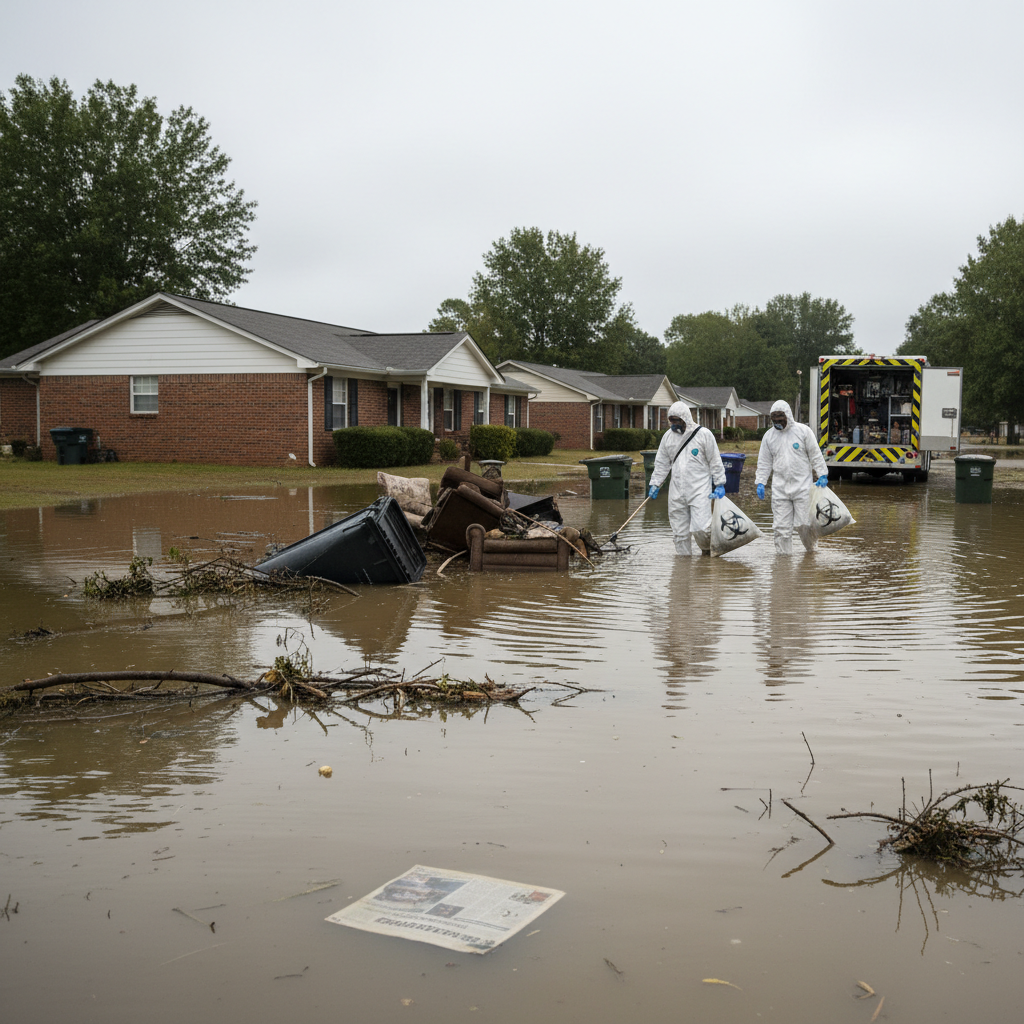
Floods are a common occurrence in Wake County, particularly during the summer months when heavy rains hit. As a local biohazard removal service operating in Raleigh, I, Alex, have seen firsthand how vital it is to address the aftermath of flooding quickly and effectively. Water can bring more than just debris; it can introduce harmful pathogens and contaminants that can jeopardize health and safety.
When floodwaters invade homes in neighborhoods like Glenwood South or Historic Oakwood, they often leave behind serious biohazardous materials, including sewage and chemical waste. That's where our Emergency Biohazard Cleanup services come into play. Acting swiftly can prevent property damage and mitigate health risks that arise when contaminants remain in the environment.
Why is Emergency Biohazard Cleanup Essential?
Following a flood, standing water may contain bacteria and viruses that pose significant health risks. This can lead to illnesses such as gastrointestinal infections and respiratory issues if not managed properly. Additionally, mold can begin to grow within 24-48 hours after the flood, creating another layer of hazards. Emergency biohazard cleanup is crucial for several reasons: - Safety: Protects residents and emergency responders from exposure to harmful substances. - Protection of Property: Reduces damage to homes and businesses by extracting water promptly. - Mold Prevention: Prevents mold growth which can start within days, potentially leading to structural damage and health problems. - Health Restoration: Restores a safe living environment by thoroughly cleaning and disinfecting affected areas.
Ignoring these factors can lead to extensive repairs and potentially dangerous conditions. In Raleigh and surrounding areas, the combination of older housing stock and seasonal weather patterns necessitates a diligent approach to biohazard cleanup.
What to Expect During the Cleanup Process
When you contact us for emergency biohazard cleanup after a flood, we follow a systematic process to ensure thoroughness and safety: 1. Assessment: Our team will assess the situation to identify hazardous materials and the extent of the damage. 2. Water Extraction: We use powerful vacuums and pumps to remove standing water swiftly. 3. Cleaning and Disinfection: All affected surfaces will be cleaned and treated with specialized disinfectants to eliminate harmful bacteria. 4. Removal of Contaminated Materials: Anything that cannot be salvaged, such as carpets or insulation, will be safely disposed of according to regulations. 5. Mold Remediation: We will assess for mold growth and take necessary steps for remediation, as mold can lead to serious respiratory issues if left untreated.
Raleigh’s humid climate plays a key role in how quickly mold can develop. This is why we urge homeowners in areas like North Hills and Mordecai to act quickly after a flood event. Our expertise means we know how to handle the specific challenges posed by the soil and water conditions in Wake County.
Final Thoughts
In conclusion, the impact of a flood in Wake County extends beyond just water damage; it introduces various biohazards that require professional intervention. Ensuring that you engage a local expert for Biohazard Cleanup, like our team, is critical for protecting your health and home. If the unexpected occurs, know that we are here to assist with efficient and comprehensive emergency biohazard cleanup services. Don’t take risks with your health—reach out for help today!